Brand Questionnaire Template: Elevate Your Client Onboarding
As designers and brand strategists, we all hit that moment in the discovery phase where we need to extract specific information from a client. It is not enough to just ask "what is your budget?" or "what colors do you like?" We need to dig into the psychographics, the competition, and the visual hierarchy that will define the brand's future. However, creating these forms from scratch is tedious, and sending a plain text email often feels unprofessional. This is where a structured approach changes the game. A high-quality Brand Questionnaire Template serves as the bridge between your creative intuition and the client's business reality. It ensures you cover every angle—from typography preferences to target audience demographics—before you even open Illustrator or Figma.
Why Visual Assets Matter in the Discovery Phase
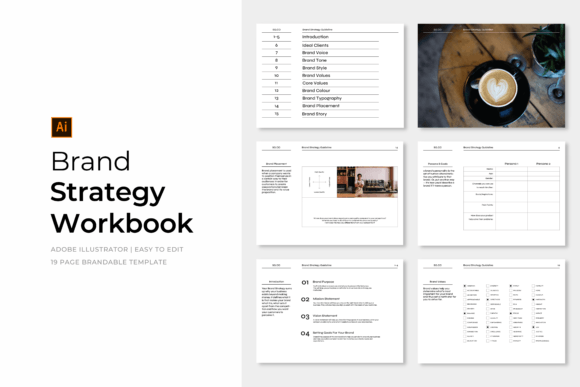
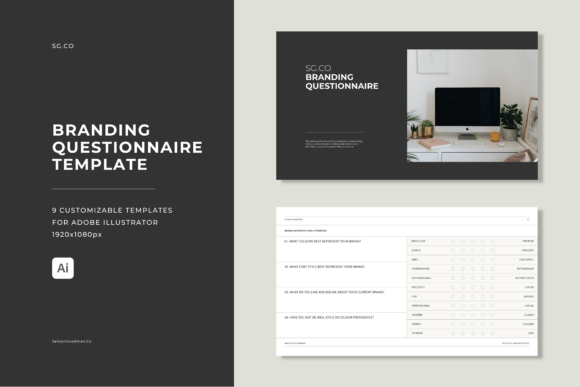
When we talk about brand identity, we usually focus on the deliverables: the logos, the color palettes, and the typography. But the process of getting there matters just as much. Presenting a client with a premium font styled, well-designed questionnaire immediately sets the tone for a high-value service. It signals that you are organized, thorough, and invested in the visual hierarchy of their project from day one. This particular bundle, featuring nine professionally designed templates compatible with Adobe Illustrator, transforms a mundane administrative task into a seamless part of the client experience. Instead of a cold email, you are delivering a cohesive design asset that speaks to your competence.
Imagine sitting down with a potential client. They are deciding whether to hire you or the freelancer down the street who sent a Google Doc. You present a beautifully formatted, editable template that breaks down their needs into logical sections: Introduction, Client Information, General Information About The Brand, Target Audience, Competitors, and Brand Aesthetics. The difference in professionalism is stark. It is not just about looking good; it is about readability and user engagement. A well-structured form guides the client’s eye, making it easier for them to provide the deep, thoughtful answers you actually need to create a successful logo design or web layout.
Designing for Functionality and Brand Consistency
The strength of a good Brand Questionnaire Template lies in its flexibility. These templates are built on a 1920 x 1080 px canvas, making them perfect for screen sharing during Zoom consultations or for sending as interactive PDFs. Because they are fully editable in Illustrator, you have complete control over the typography. You can swap out the default typeface for a sans serif font that matches your agency’s aesthetic, or perhaps a clean serif font if you want to evoke a sense of tradition and trust. The ability to modify the copy and drag in your own images means you can maintain brand consistency across all client touchpoints, even during the intake process.
Let’s look at the practical application. The templates cover specific areas that are often overlooked in standard intake forms. The section on Brand Aesthetics & Attributes is particularly vital. It moves beyond "what do you like?" to "how do you want to feel?" This distinction is crucial for any brand strategist. By using a pre-structured layout with ample whitespace, you encourage the client to slow down and think. Modern typography principles teach us that white space reduces cognitive load. When a client isn't overwhelmed by a wall of text, they are more likely to give you the "gold nuggets" of insight that fuel great creative font choices and color palettes later on.
Practical Applications Beyond the Basics
While the primary use is client onboarding, the utility of these templates extends further. If you are a small business owner trying to DIY your brand, this kit acts as a roadmap. It forces you to ask the hard questions about your target audience and competitors that you might otherwise skip. For marketers and content creators, the "Target Audience" and "Competitors" sections provide a framework for market research that can inform your social media graphics and editorial design strategies. It is a versatile tool for anyone involved in packaging design or web design, ensuring that the visual direction is grounded in data.
Furthermore, consider the value proposition. If you are an agency owner, offering a higher level of service doesn't always mean doing more work; it means presenting the necessary work better. Sending a fully brandable template shows you value the client's time and intelligence. It differentiates you from the competition who might still be using spreadsheets. It is a subtle psychological trigger: high-quality design assets imply high-quality results. Whether you are using a script font for a boutique feel or a bold display font for a corporate client, the medium remains professional.
Integration with Your Current Workflow
One of the biggest hurdles in adopting new tools is the learning curve. However, because these are standard vector files, they integrate smoothly into existing workflows for graphic designers. You don't need to learn new software; you just need to open the file. The included files are organized and labeled, allowing you to quickly change colors to match your client's preliminary palette. This is especially helpful when creating mood boards. You can use the questionnaire layout to present your initial findings back to the client, creating a cohesive narrative from the initial inquiry to the final brand identity presentation.
For those in the publishing or blogging space, understanding your visual voice is just as important as your written voice. Using a structured questionnaire helps align the visual side of your publication—your headers, pull quotes, and layout styles—with your editorial goals. It ensures that the font pairing you eventually choose for your magazine or blog header resonates with the specific audience you are trying to attract. It is about making intentional choices rather than guessing.
Final Thoughts on Elevating Your Service
Ultimately, the goal is to remove friction from the creative process. A Brand Questionnaire Template is not just a piece of paper; it is a strategic tool. It saves you hours of back-and-forth emails, clarifies the project scope, and sets a professional precedent. By utilizing a resource that focuses on readability, visual hierarchy, and comprehensive questioning, you are setting your projects up for success before you even sketch a single logo concept. It is a small investment in your process that yields significant returns in client satisfaction and project efficiency.